Marvellous Winter Nature Observation 1Marvellous Winter Nature Observation 1
©Marvellous Winter Nature Observation 1

Fauna of the Southern Alps: discovering life in Menton, Riviera & Merveilles!

Fauna of the Southern Alps : discovering life in Menton, Riviera & Merveilles!

Want to meet some new people? Whether furry, beaky or horned, the animals of the Southern Alps are waiting with bated breath for you this winter! Just like our wonderful inhabitants, who live to the rhythm of our destination. Here, in the Roya Valley, a veritable wild garden of Wonderland, humans and wildlife share the same space, shaped by snow, light and winter silence. A magical place to (re)discover in the snow!

Rémy Masseglia guides us through the mountains!

The Roya Valley :

one of the best preserved environments

Nestling in the Mediterranean Alps, between the Mercantour mountains and the Italian border, the Roya valley is a mountainous area shaped by altitude. It enjoys a high-altitude Mediterranean climate, with cool but moderate winters, in stark contrast to the snow-capped peaks that surround it, right up to the highlands of the Vallée des Merveilles! From the hilltop villages to the pine and holm oak forests and the high-altitude meadows, the landscape forms a unique, almost fairytale-like natural mosaic, where nature reveals itself to those who take the time to observe it.

TheAuberge Marie-Madeleine and the Neige et Merveilles winter gîte offer snowshoe hire!

This time of year is ideal for observing the local wildlife: on the heights, animal tracks can be seen in the snow, discrete and fleeting, and only the most seasoned pair of eyes will be able to detect them. Can you manage it?
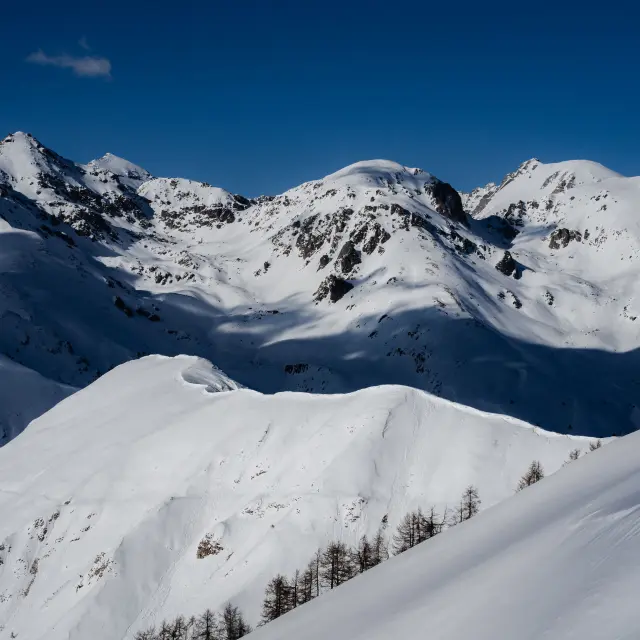
Watching Mediterranean fauna in action in winter

A veritable corridor in the heart of the mountains, the Roya Valley watches over its little protégés. Here, the Marvellous Inhabitants are very real. Before you set off to find them, we’ll give you an idea of the species you might come across:

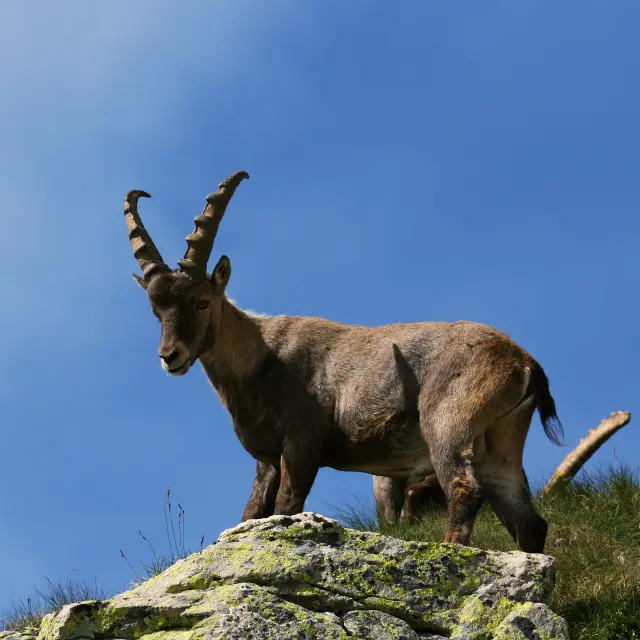
The Alpine ibex

The king of the high mountain pastures! You can recognise the males by their long horns. Some are over a metre long! If you love the mountains, you may already have come across its cousin the Iberian ibex, reintroduced in the Pyrenees.

🐾 Some clues for tracking the Alpine ibex

They often rest in groups on rocky areas well exposed to the sun (handy for keeping warm!).

Chamois

The chamois deserves its jersey of best climber: 1000 metres of altitude in around ten minutes, who can compete? Its horns are thinner and shorter than those of the ibex, and it wears a black coat in winter.

🐾 A few clues for tracking chamois

Very early in the morning or late in the afternoon when the chamois is looking to feed on the best exposed slopes of the mountain, so that the snow is as shallow as possible to make it easier to move around. Clever chamois!

The dipper

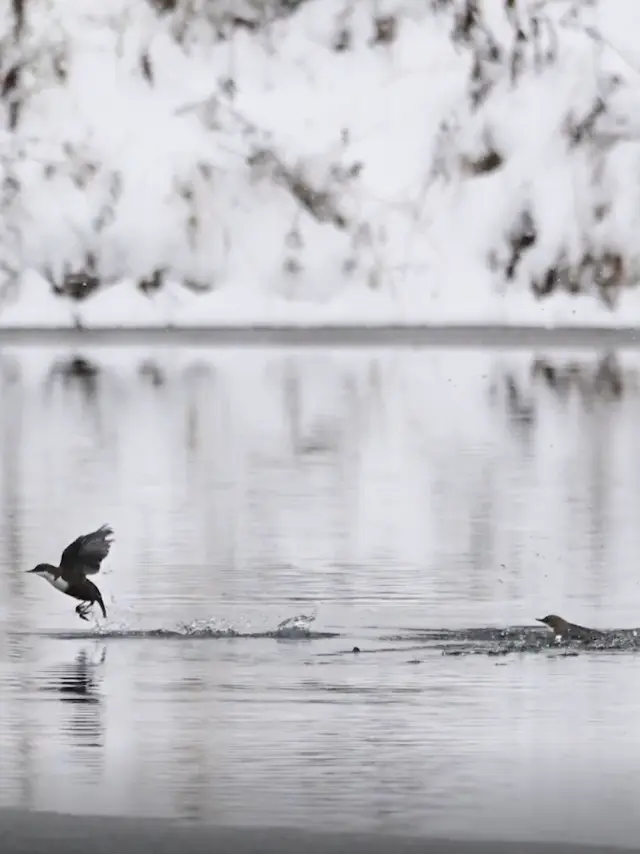
A small, stocky bird with a white plastron, the dipper isone of the rare birds that can walk underwater! It can be seen along the torrents of the Roya, even in the middle of winter, diving against the current to feed. A discreet acrobat, faithful to the wild rivers of the region. Look out for it near clear, fast-flowing streams, resting on a rock or soaring low over the water!

Golden eagle

While golden eagles are easy to find in summer thanks to the shrill calls of marmots, they are a different kettle of fish in winter! Raise your eyes to the sky, literally, and you may see the brown bird of prey with the white spots under its wings criss-crossing the sky in search of prey. Here, you can also look upwards, and nature takes on a whole new dimension.

🐾 A few clues to follow the golden eagle’s trail

Take a look at the hard-to-reach cliffs with your binoculars, as some eagles defend their nesting site in winter.

Griffon vultures

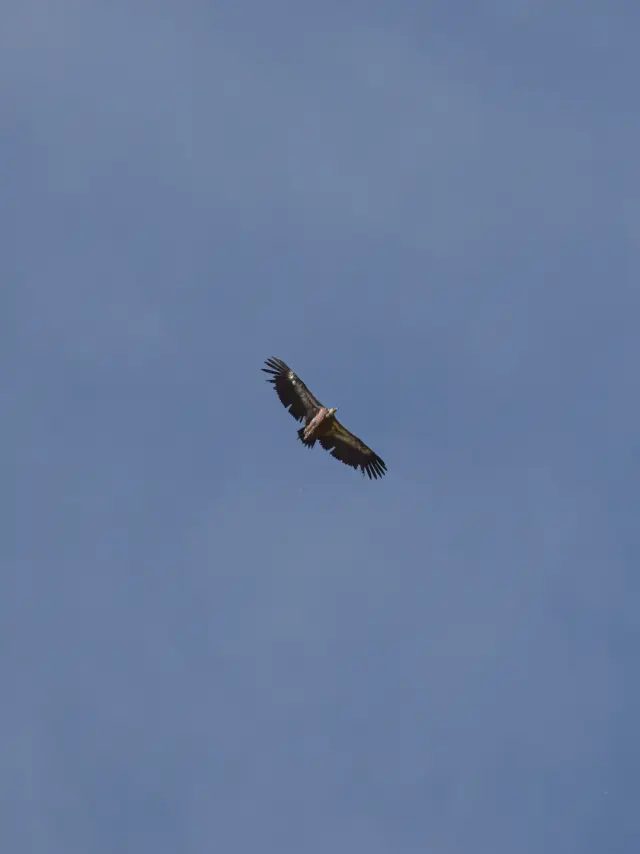
With a plucked head and a wingspan of 3 metres, the vulture of the Southern Alps is particularly impressive. Rest assured, it is completely harmless. It’s only interested in carcasses. Phew!

🐾 A few clues to follow the trail of the griffon vulture

Vultures need updrafts to fly efficiently. You can spot it on a calm, sunny day!

The wolf, the great discreet

Present in the Southern Alps and the Roya Valley, the wolf is one of the most secretive inhabitants of the Mercantour Park. In winter, it moves over vast areas and sometimes leaves behind footprints in the snow… but seeing it is still exceptional. Even for our naturalist guides!

You could also come across them…

  • The bearded vulture, a superb bird that is rarely seen
  • The elaphe deer, present but rather discreet
  • Roe deer, to be admired at dawn
  • Red foxes, which leave small footprints in the snow
  • Variable hare, depending on your altitude

What about the Alpine marmot?

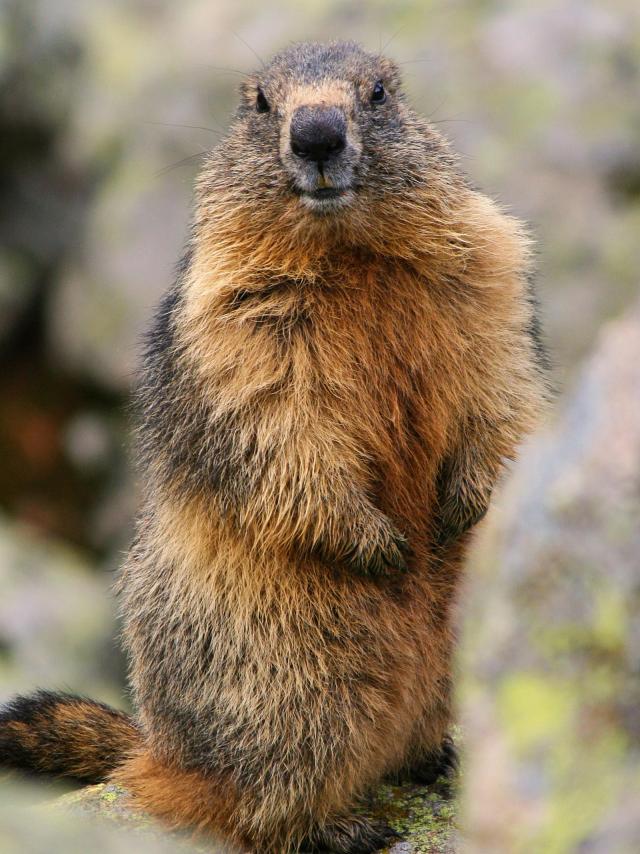
Although the marmot is an essential part of the Southern Alps, it is unfortunately not visible in winter! When temperatures drop in autumn, they find a cosy burrow to enter into deep hibernation.

You may only be able to see a few blocked burrow entrances… Here, nature follows its own rhythm, but if not, come back and see them on a hike next spring!

Best practice when observing mountain wildlife in winter

  • Observe from a distance and always use binoculars or a spyglass. The further away you are, the less energy the animal will expend unnecessarily.
  • Stay on marked routes and avoid crossing feeding areas, sunny slopes or sheltered coombs, which are essential for winter survival.
  • Favour stillness and patience. In Wonderland, you slow down to get a better feel for things.
  • Don’t feed the animals: unsuitable food disrupts their metabolism and natural behaviour.
  • Keep your dog on a lead: a dog can trigger energy-hungry escapes. And remember that in the heart of the Mercantour National Park, dogs are forbidden, even on a lead.
  • Accepting that you can’t see! Responsible observation also includes frustration: not seeing anything is sometimes the best sign of respect for living things.

Our “Wonderful Inhabitant”: Rémy Masseglia

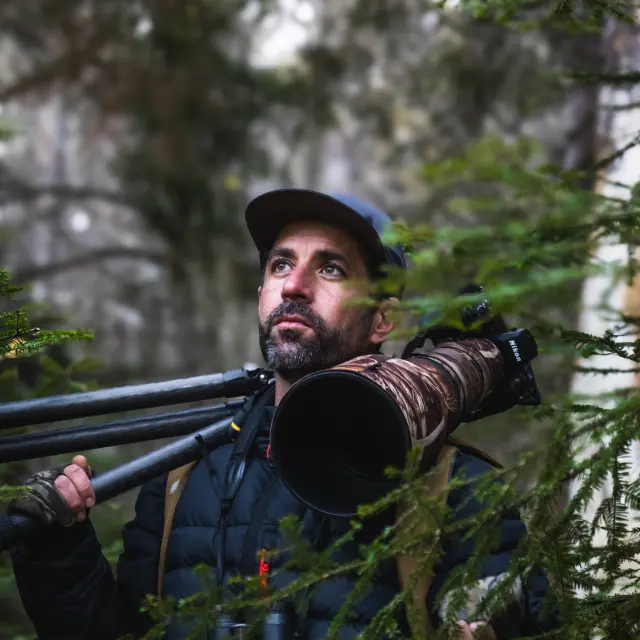
Wildlife film-maker Rémy Masseglia guides us through his lens into the mountains, where landscapes come to life. Here, patience and humility are the watchwords for the chance to admire a diving dipper or a curious chamois.

Step by step in the snow, you slow down, look differently, and finally take the time to listen to your surroundings. It’s a sensitive experience, true to the spirit of Le Vrai Pays des Merveilles.

The promise of a wonderful time!

Fauna of the Southern Alps : frequently asked questions

  • Can the alpine newt be seen in winter?

    No, the alpine newt is virtually invisible in winter. It goes into winter lethargy, taking refuge in the water, in the mud of ponds or under stones sheltered from the frost, and ceases almost all activity until spring.

  • Are any species endemic to the Southern Alps?

    Yes, some of the species in the Roya valley and the Southern Alps in general are endemic or very localised to this region. These include

    • The Mediterranean mouflon, native to the mountains around the Mediterranean and adapted to the rocky environments of the Southern Alps.
    • Certain insects and amphibians, such as newts and beetles, which are highly restricted to specific high-altitude habitats.
    • Certain alpine plants and herbaceous species, which form unique micro-habitats and serve as food or shelter for the local fauna.
  • Where are the Southern Alps?

    The Southern Alps are located in south-eastern France, mainly in Alpes-de-Haute-Provence and Alpes-Maritimes, on the border with Italy.

  • Why take a guided trip to the mountains in winter?

    A guided winter mountain outing is a safe way to discover the region’s landscapes. The guide knows the trails and sensitive areas, knows how to spot mountain animals without disturbing them, and shares his or her knowledge of winter ecosystems. It’s also an opportunity to learn how to respect fragile habitats and enjoy nature to the full, without having to plan a day’s outing.

  • What are the differences between an ibex, a mouflon and a chamois?

    Ibex, mouflon and chamois differ in size, habitat and horns. The ibex is massive, with long, backward-curving horns, and lives on steep rocky slopes. The mouflon, smaller and more robust, has spiral horns and prefers open, sunny areas. The chamois, lighter and more agile, has small hooked horns and is often found in forests and cliffs, using its skill to move quickly over varied terrain.

More stories to follow!