


Description
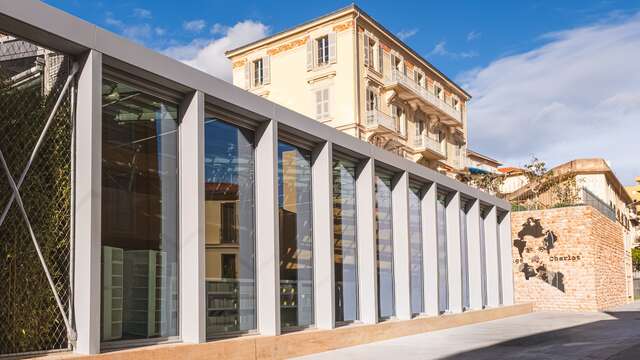
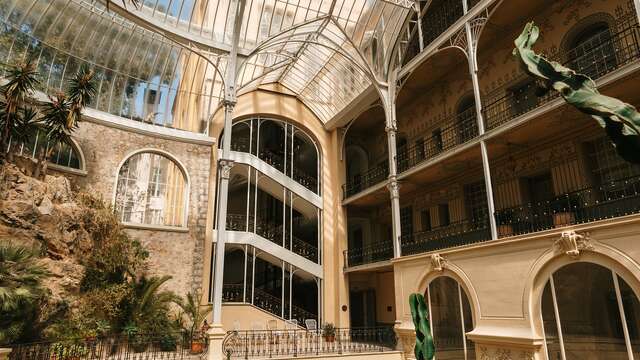
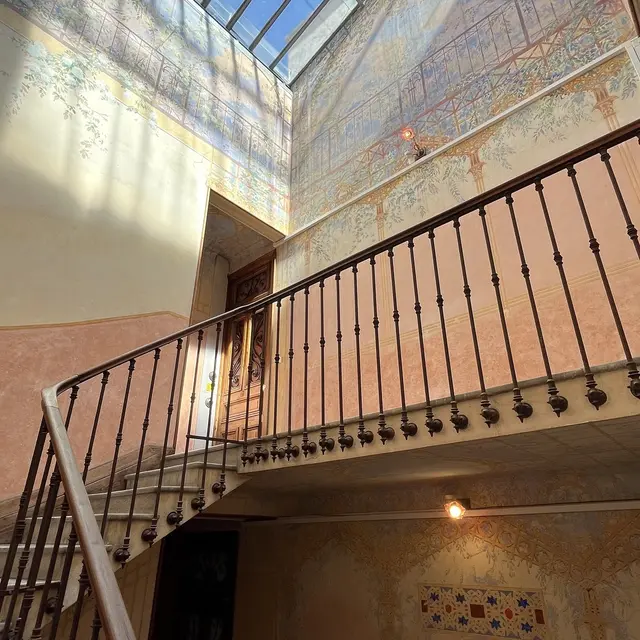
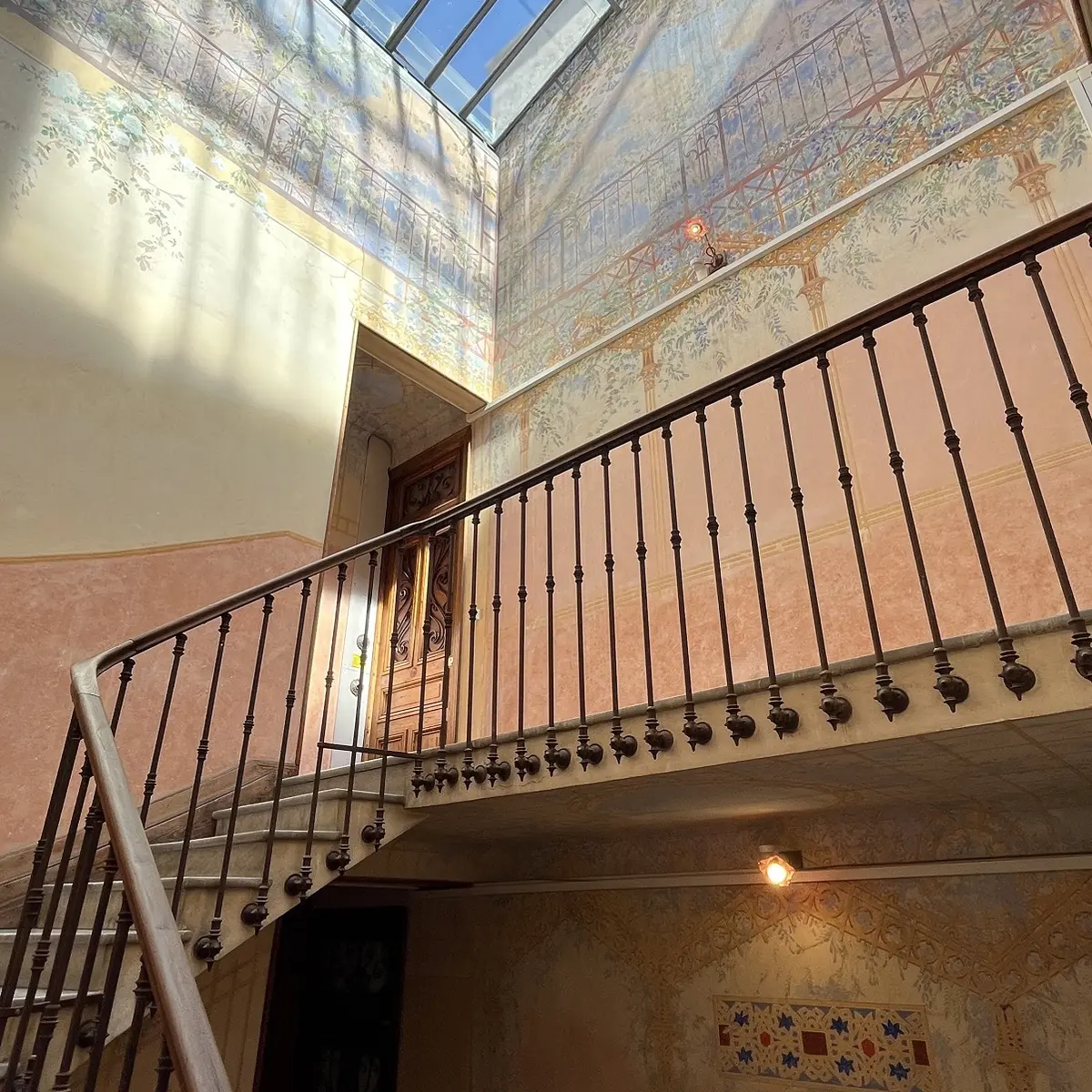
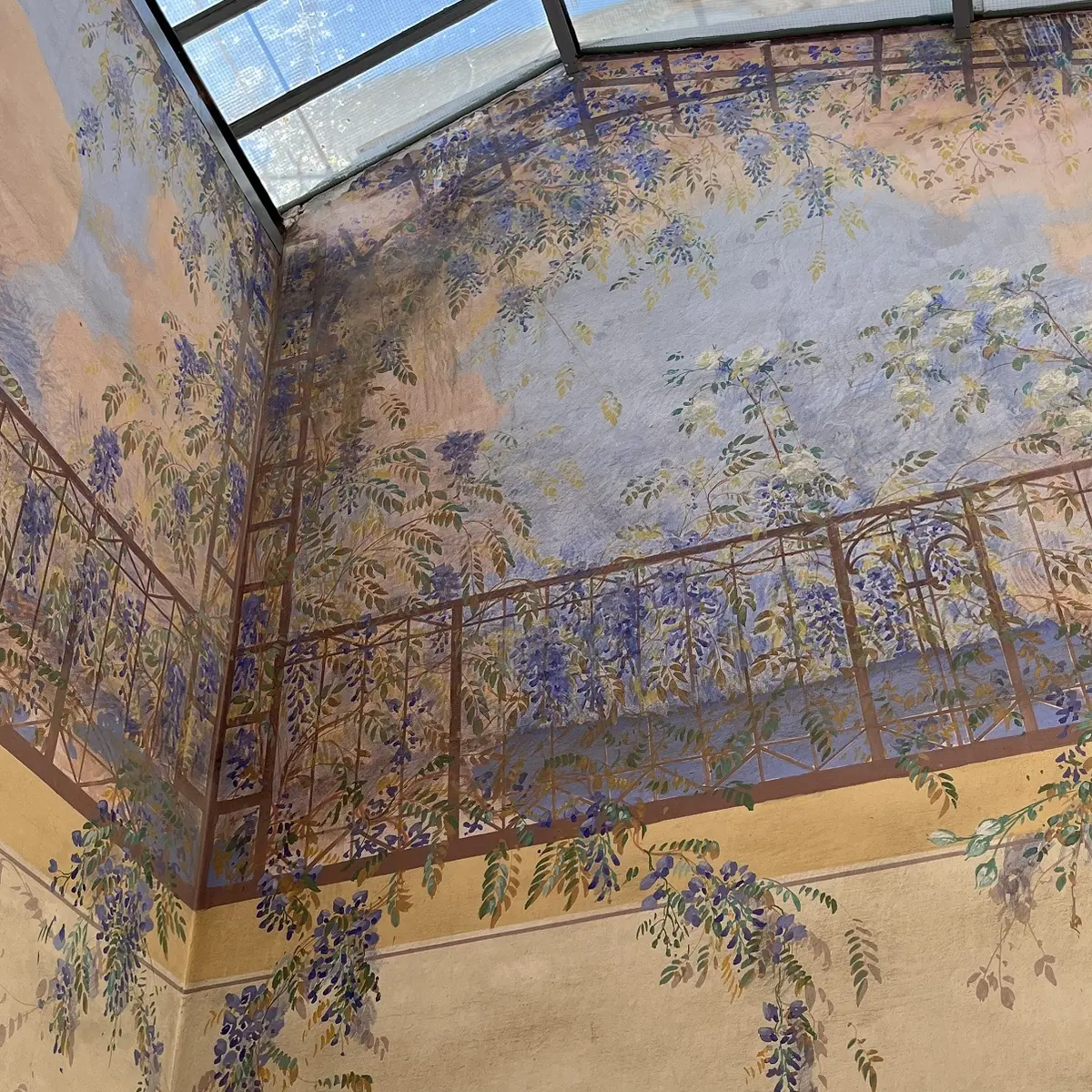
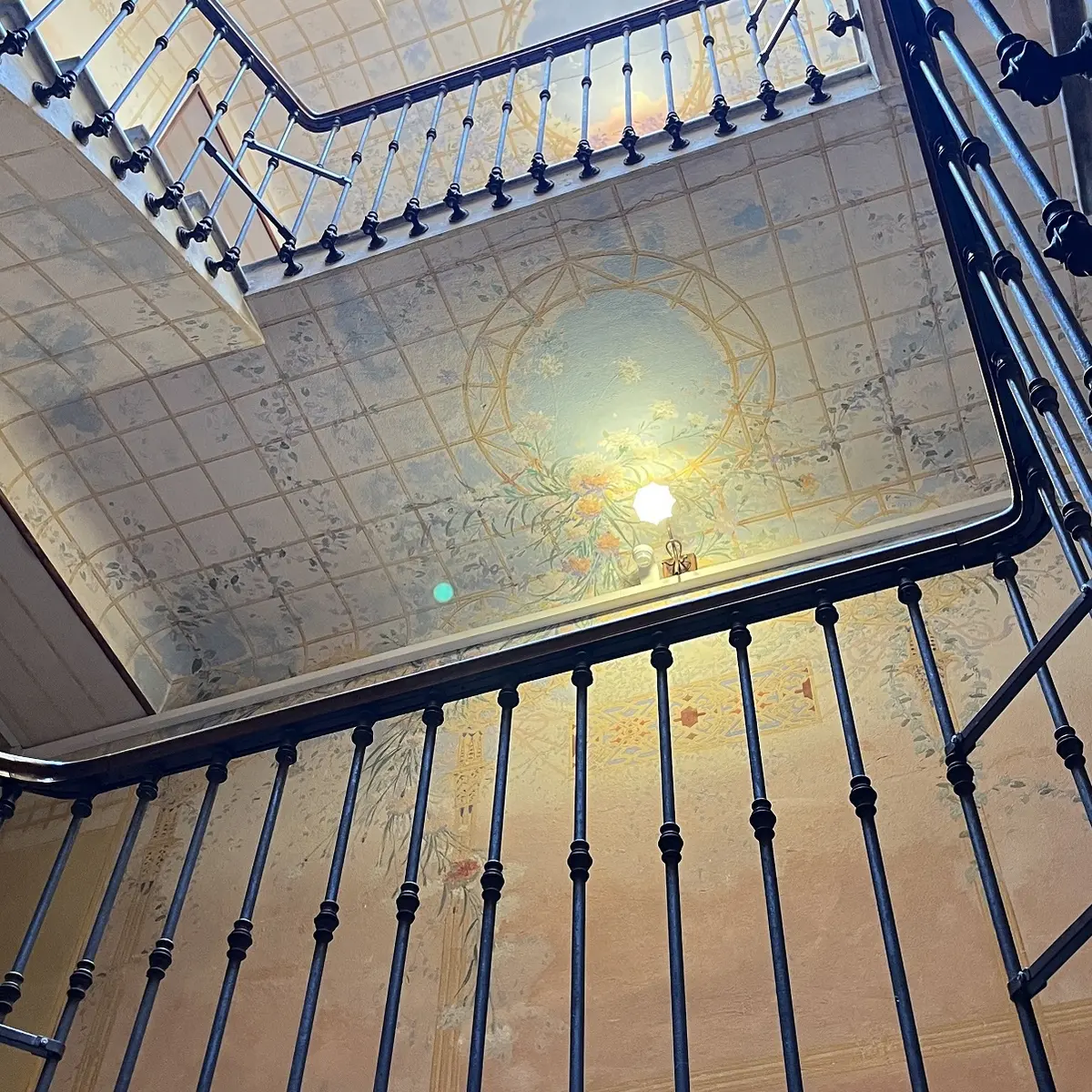
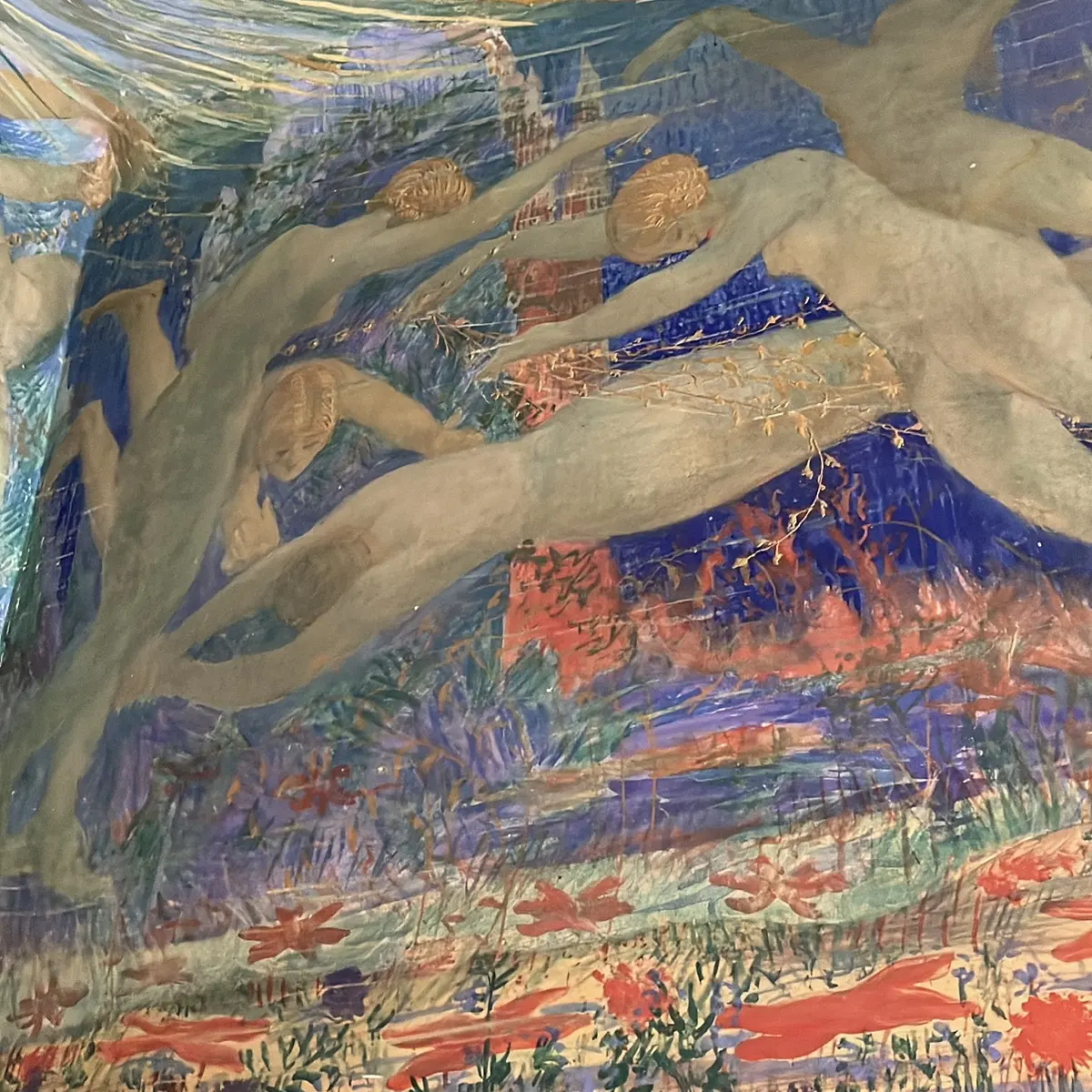
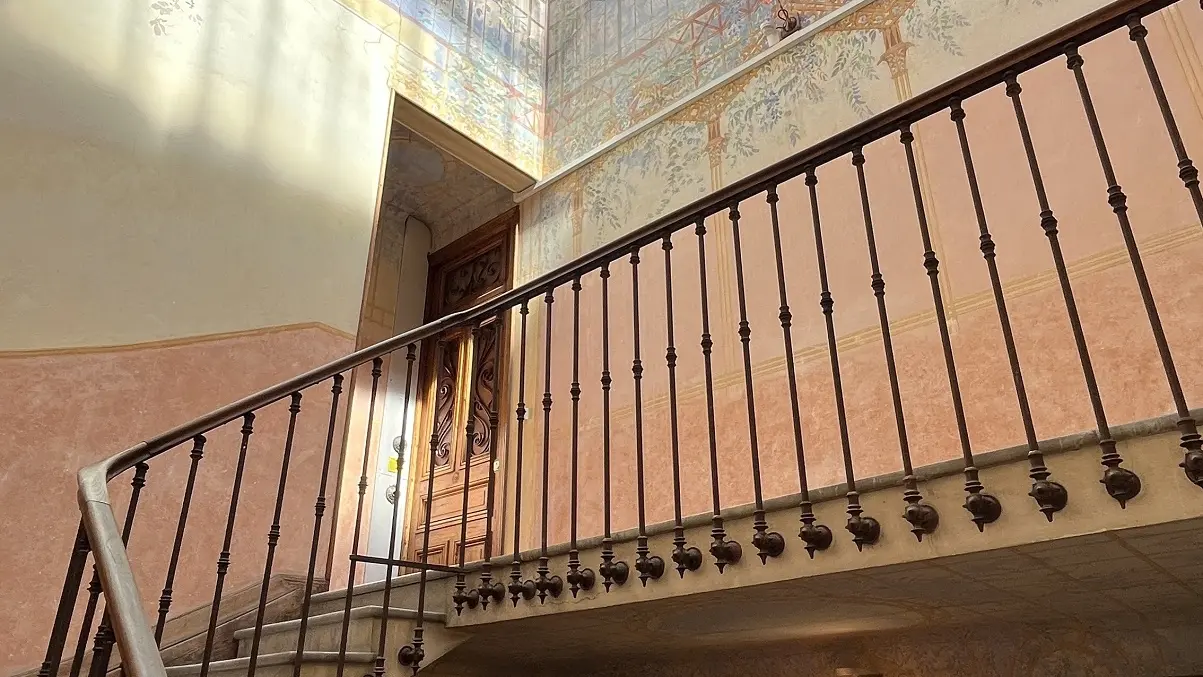
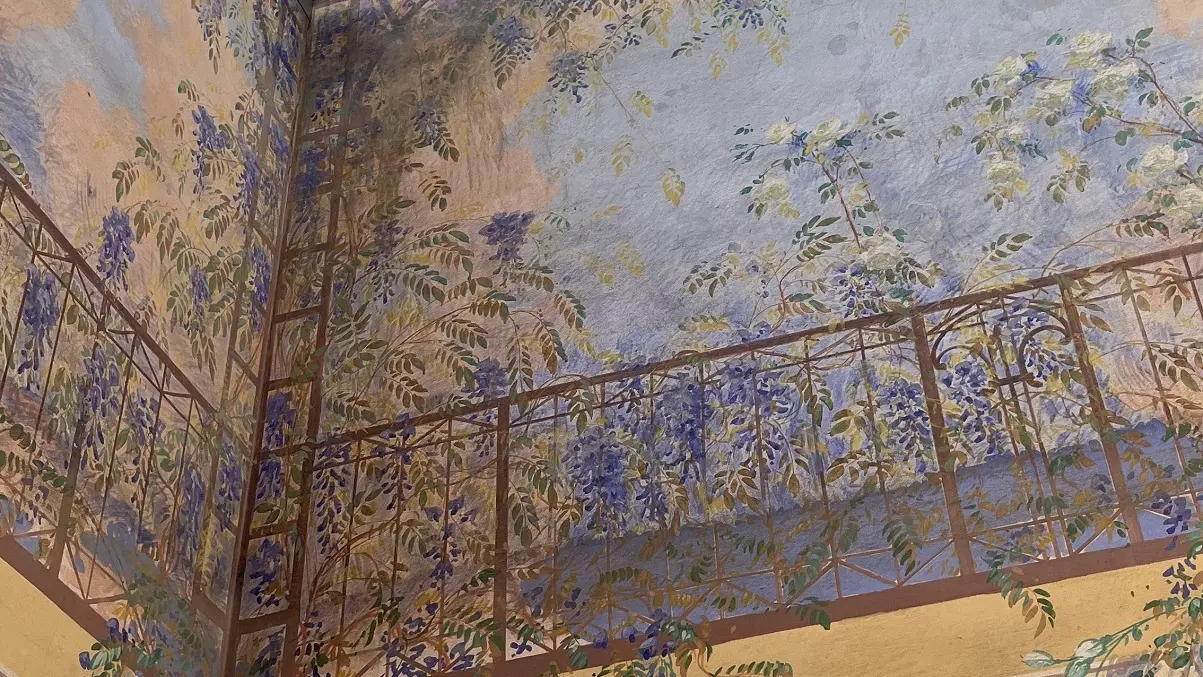
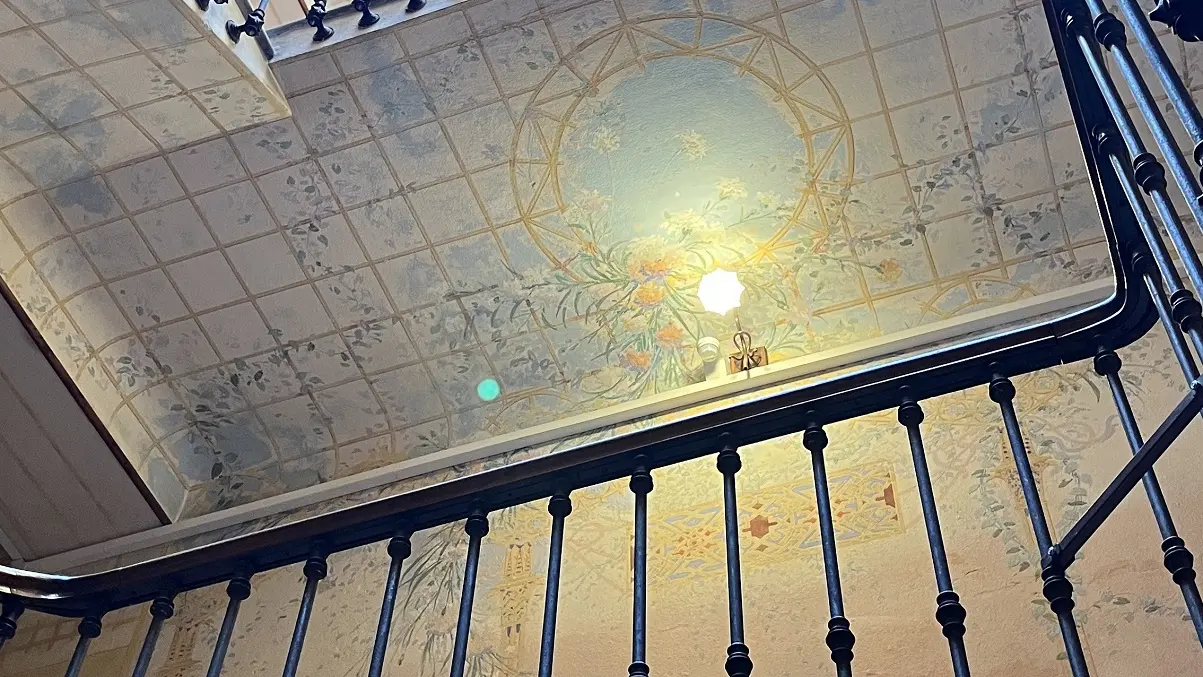
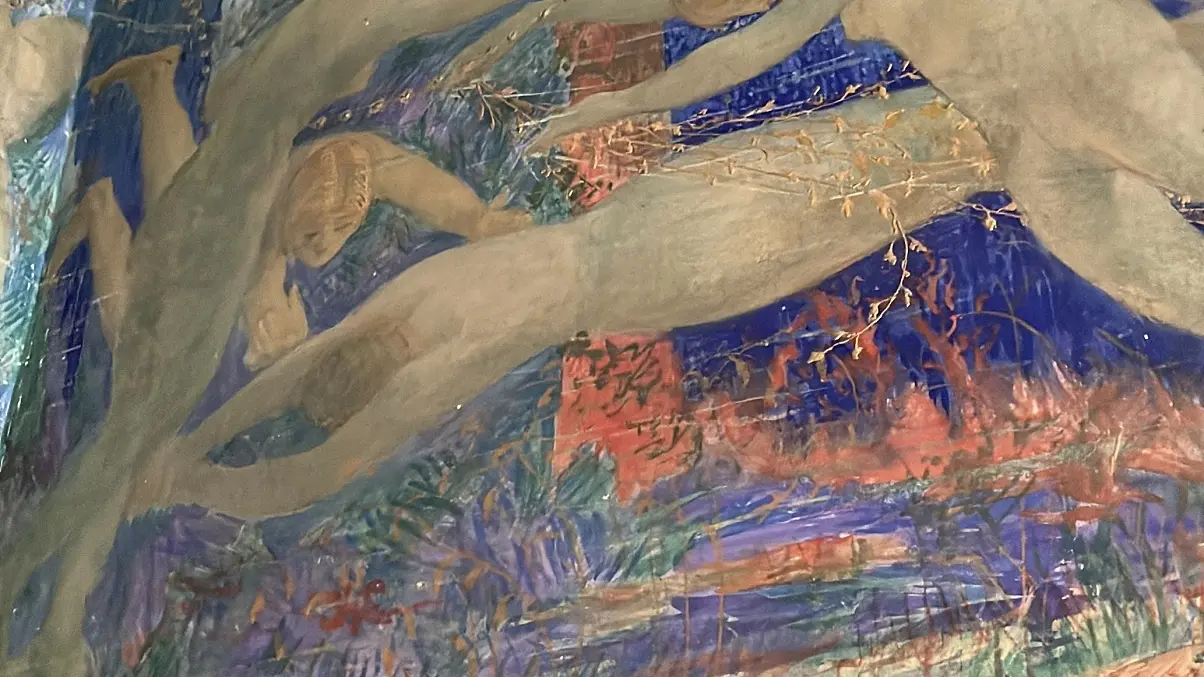
Built by Patrizio Rogolini and a true gem of Belle Époque art history, “La Villa Juturne” has been listed as a Historic Monument since 2018.
In 1904, the municipality of Beausoleil was created by separating two hamlets from the municipality of La Turbie that bordered the Principality of Monaco. As early as the 1860s, the numerous construction sites in Monaco had attracted a working-class population, for whom a “dormitory town” was hastily built. Their new status allowed these neighborhoods to gradually transform into a pleasant resort town, which was designated a health resort in 1921.
In 1913, Patrizio Rogolini (1863–1943) decided to have an apartment building constructed there, reserving the ground floor for his family. This painter and decorator, originally from Lombardy, had emigrated to Menton around 1875. Trained in construction following the family tradition, his skills and taste for art led him toward a career as a painter and stucco artist. He distinguished himself in the restoration of painted decorations in local Baroque churches and in the creation of decorative designs such as those at the former Sporting Club of Monte Carlo. The Juturne building, named after the nymph he had chosen as a name for his daughter, is his principal surviving work.
The building known as Villa Juturne was listed as a historic monument by decree dated February 26, 2018, covering the facades and roofs, all common areas (entrance hall, stairwell, and hallways adjoining the various levels), in their entirety; the southern ground-floor apartment within its original layout; and the apartment on the third floor that has retained its original decor.
Accessibility
Not accessible in a wheelchair
Openings
All year 2026 - Open everyday
Location
Spoken languages
Spoken languages

Environment
Environment
- In centre of town
- Town location
- Close to a public transportation
- Bus stop < 500 m